
Markets often react within seconds to new information. A surprise comment from a central banker, a sudden geopolitical event, or an unexpected jobs report can spark immediate buying or selling pressure — even if the broader economic outlook remains unchanged. Traders and algorithms alike monitor news feeds closely for such triggers.
For many retail and professional traders, resources like https://dailynewstrading.com/ serve as rapid-access gateways to headlines that might influence asset prices in the hours ahead. Such platforms aggregate breaking financial, economic, and political news — often delivering alerts before the wider mainstream media cycles catch up.
News Headlines and Market Reaction
When a respected media outlet publishes fresh economic data or breaking political developments, markets tend to price in the information quickly. For instance, if inflation data exceeds expectations, bond yields may spike, equity markets may wobble, and currency pairs may shift — all within minutes. These reactions often reflect not deep analysis but simple, automatic responses to “news as known.” The speed and scope of the reaction depend on factors such as how unexpected the news is and how broadly it affects investor confidence.
Short-term traders look for these immediate movements. Their aim is not long-term structural change, but capturing rapid value swings before markets stabilize. In volatile sessions, the first 30–60 minutes after a major announcement may offer the biggest opportunity for profit — or risk.
The Role of Trader Psychology and Sentiment
Beyond the facts, the tone and framing of news matter greatly. Headlines that suggest “surprise,” “crisis,” or “unexpected” trigger stronger reactions. Emotional language or ambiguous phrases — like “soaring risk” or “worrisome slowdown” — can amplify fear or exuberance, regardless of the data’s substantive impact. Human and algorithmic traders alike can overreact when sentiment rims toward extremes.
Using a “Daily news trading” mindset, traders sometimes act on the headline itself, not waiting for full context or deep analysis. This can lead to exaggerated swings — or even contradictory moves — as sentiment shifts between hope and fear repeatedly. That tug-of-war can feed high volatility, giving short-term traders a window to exploit momentum — until more rational analysis takes over and prices settle.
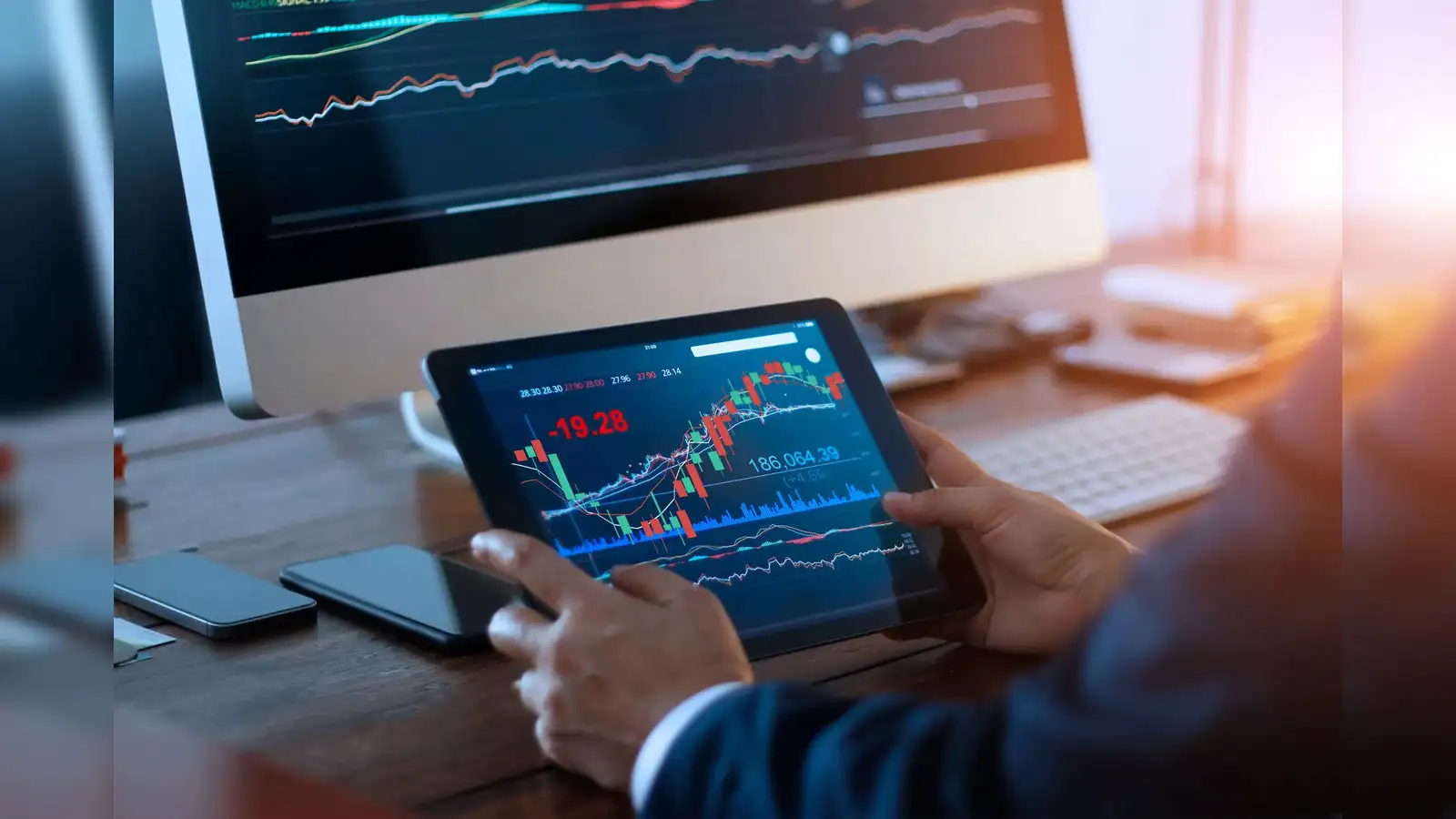
Timing, Volatility, and Short-Term Opportunities
Timing is crucial when trading around news. Pre-announcement periods often see quiet or range-bound trading, with low volatility. The moment a key data release or headline drops, liquidity can surge — or dry up — depending on how many market participants rush to react. This sudden change can widen bid-ask spreads, amplify slippage, and increase risk.
Savvy traders sometimes enter positions just before expected news, betting on a sharp post-release move. Others wait for confirmation — letting the dust settle before jumping in to ride what appears to be a sustained trend. Both approaches carry risk: a false breakout may reverse quickly once the broader market recalibrates, wiping out gains or triggering losses.
Strategies for Traders Using News-Based Trading
Adopting a systematic approach helps manage risk when engaging in short-term trades around news. One useful method is relying on predefined “entry and exit rules.” For example: open a position only if a price moves beyond a certain threshold within the first five minutes, and close within 15 minutes to lock in gains or limit losses.
Another method involves diversification across instruments — currency pairs, commodities, stocks — reducing exposure to a single news event. Because different assets respond differently to the same headline (e.g., currency markets vs. equities), spreading bets can smooth performance swings.
Many traders incorporate “news-scanning routines.” These routines monitor multiple sources, filter noise, and highlight only events likely to move markets. This disciplined approach helps avoid chasing every headline and prevents getting caught in churn — embodying a more thoughtful than reflexive version of news-based trading.
In fast-moving financial markets, daily news plays a pivotal role in shaping short-term price swings. While such movements may not reflect long-term fundamentals, they offer dynamic opportunities — if approached with caution and strategy. By combining awareness of sentiment, disciplined timing, and risk control, traders can potentially turn the volatility of headlines into disciplined advantage.